ARBORAPID™
Patented technology for establishing forests and commercial orchards on poor, degraded and saline soils, sands and arid land. Developed from decades of forestry research in Serbia and the EU.
See the field results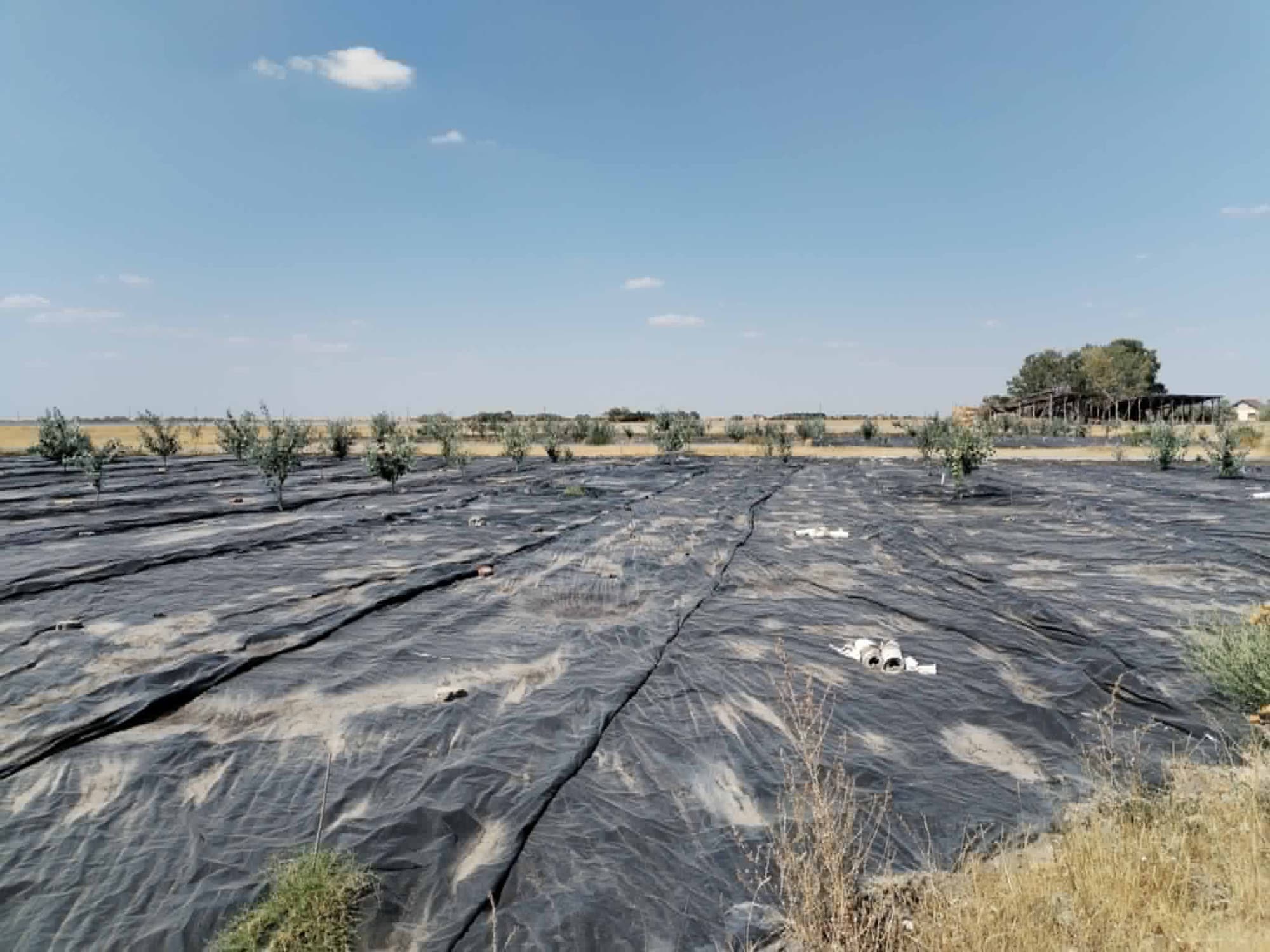
How it works
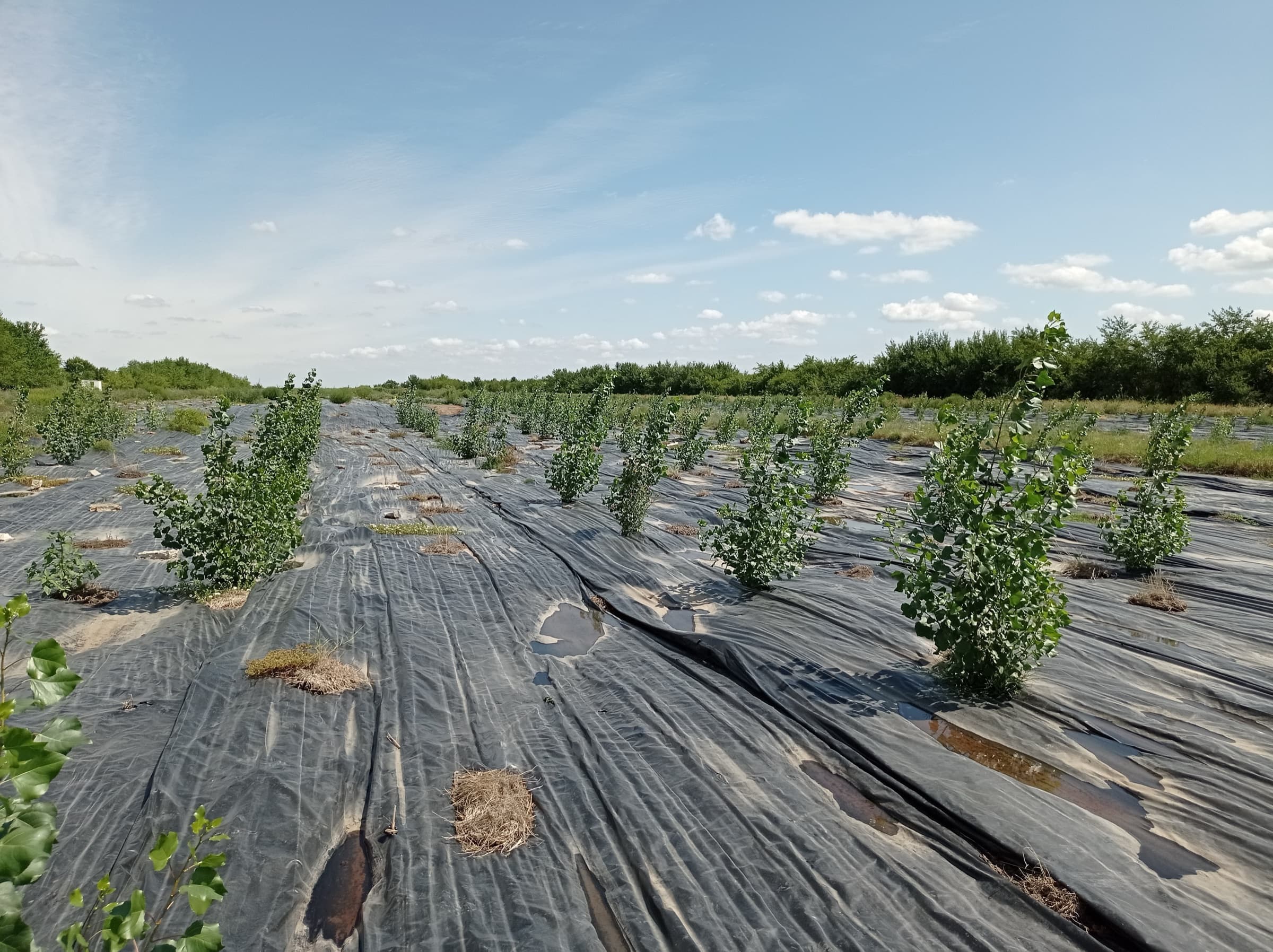
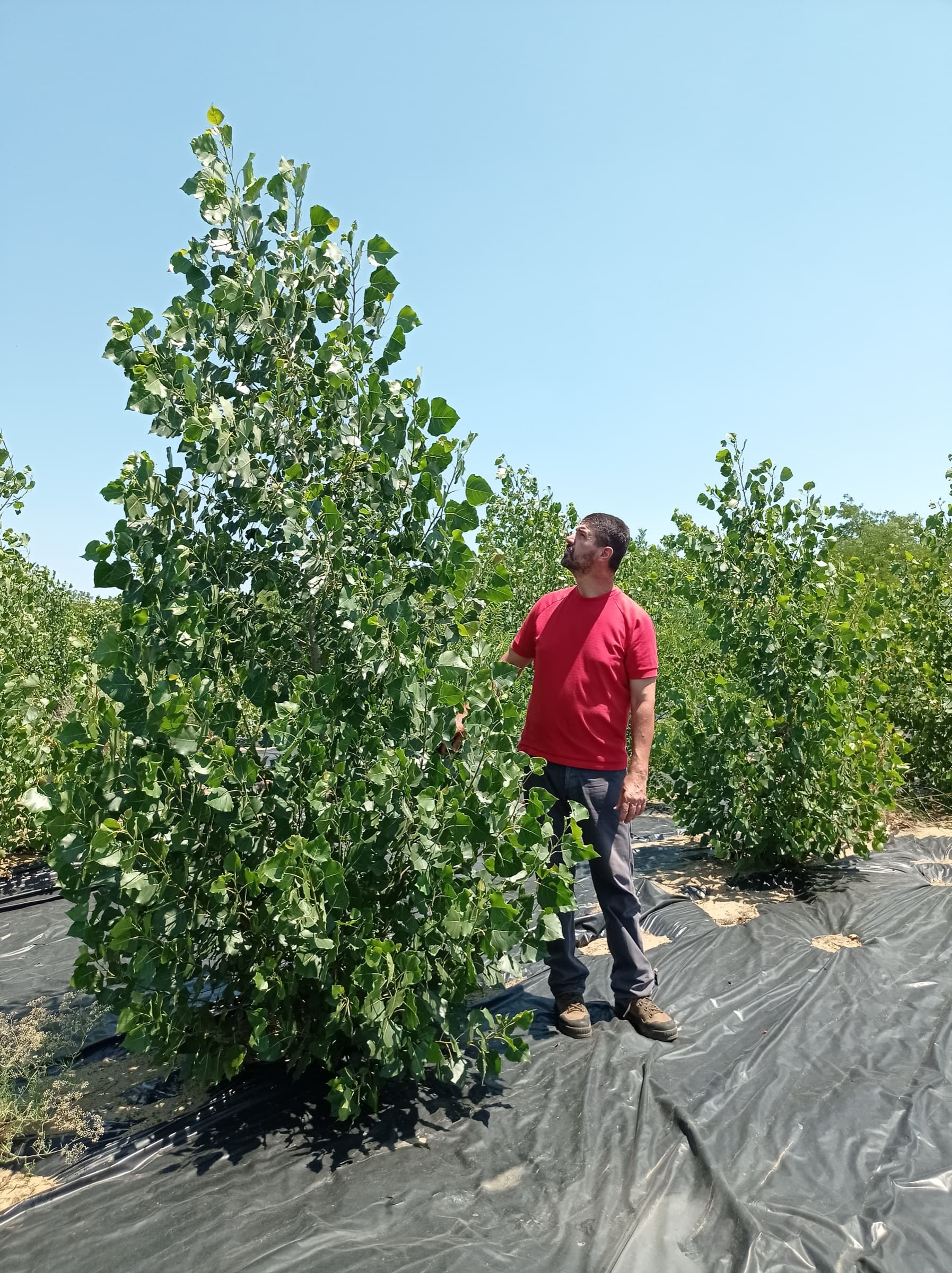
The planting area is covered with a specially designed, patented foil. Pits are drilled through the foil and the seedlings are planted. The foil stays on the ground as it is until the end of the planned period, usually 5, 6 or up to 10 years.
No irrigation system is required. Plants depend entirely on rainfall and atmospheric moisture.
ARBORAPID™ has proven itself in Central European climate zones. Given the conditions and long droughts it has overcome in trials, it can be applied across large parts of the Northern Hemisphere between 20°N and 50°N, and at corresponding latitudes in the Southern Hemisphere outside the humid equatorial belt.
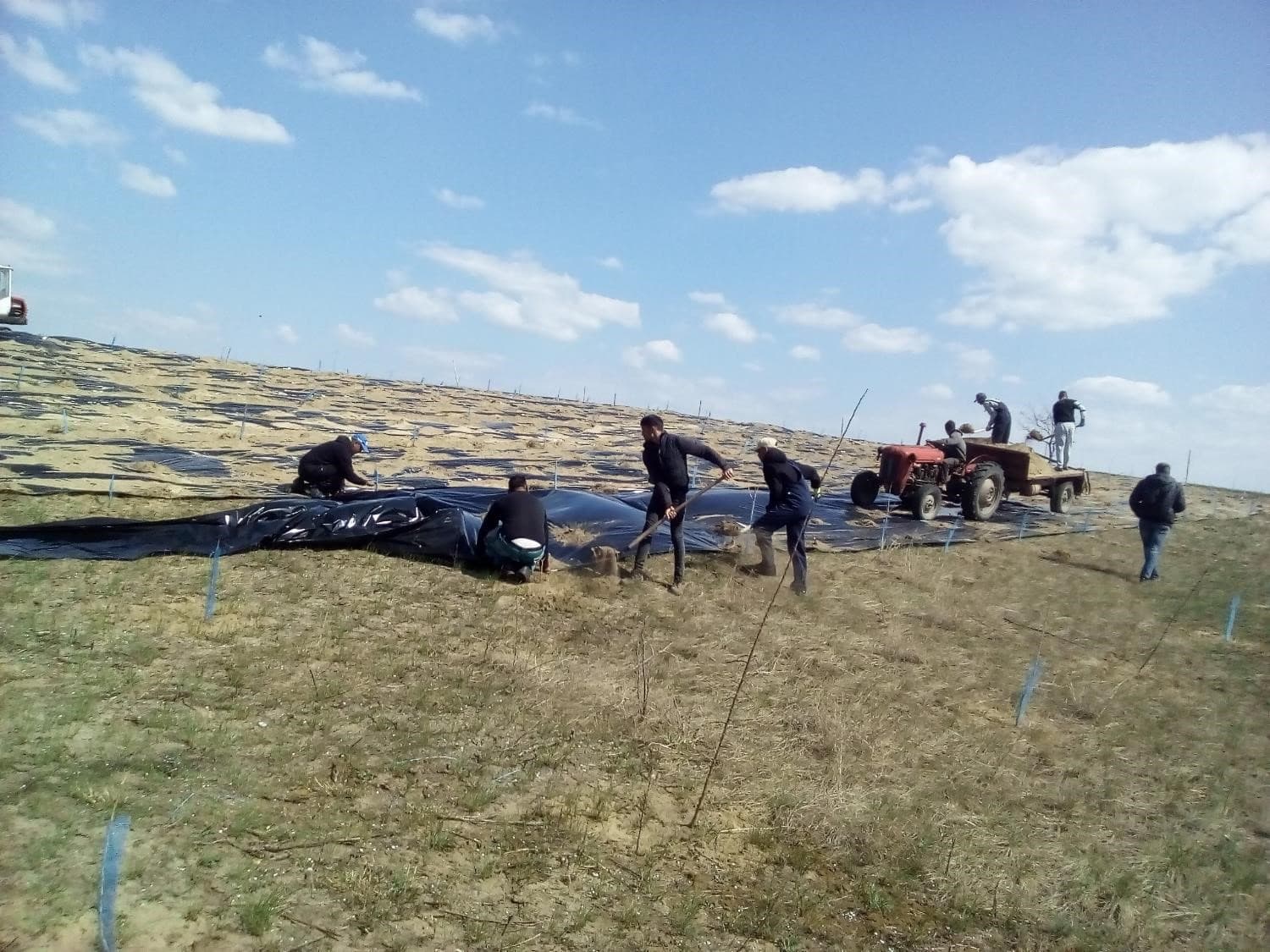
Results where planting used to fail
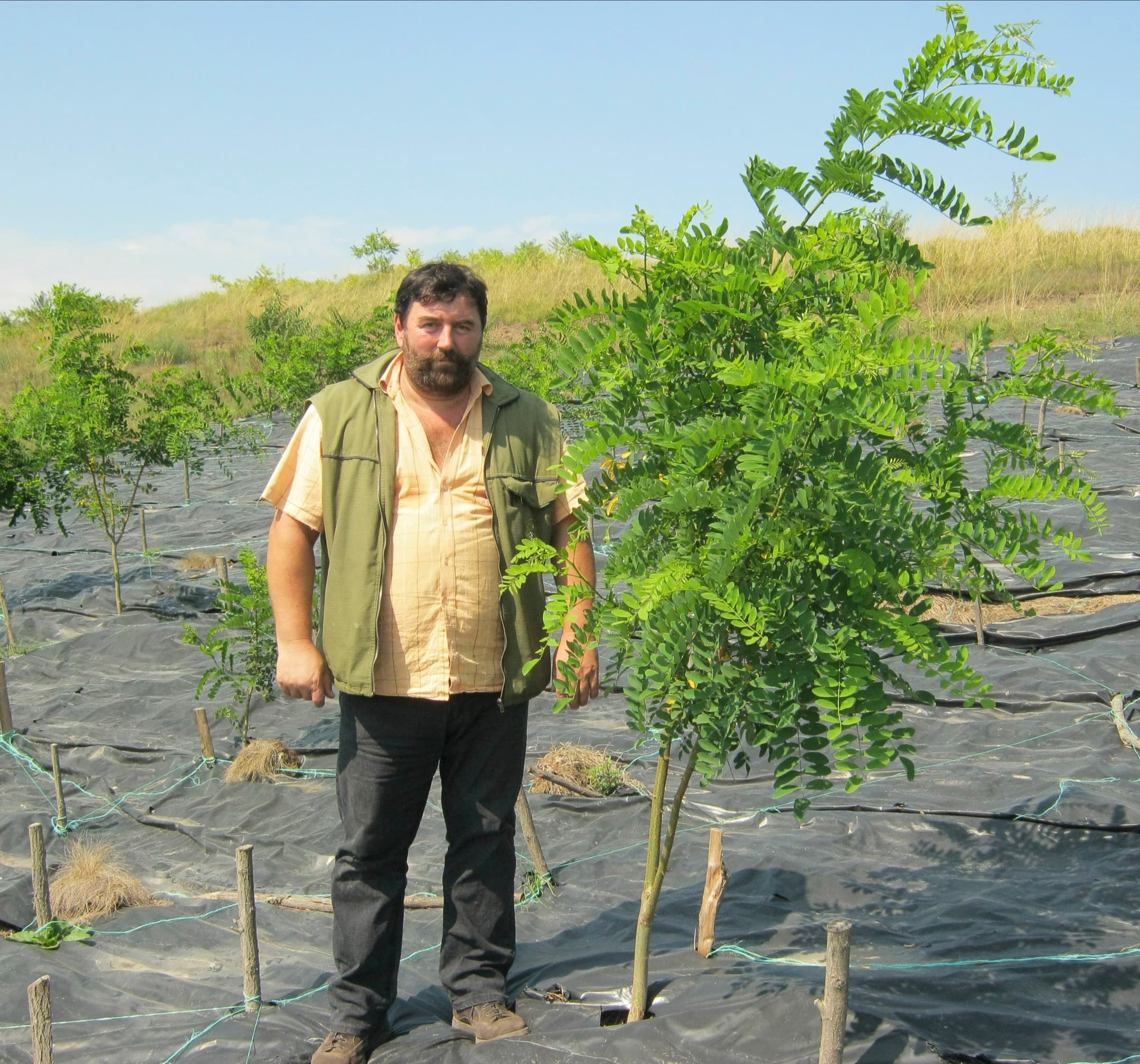
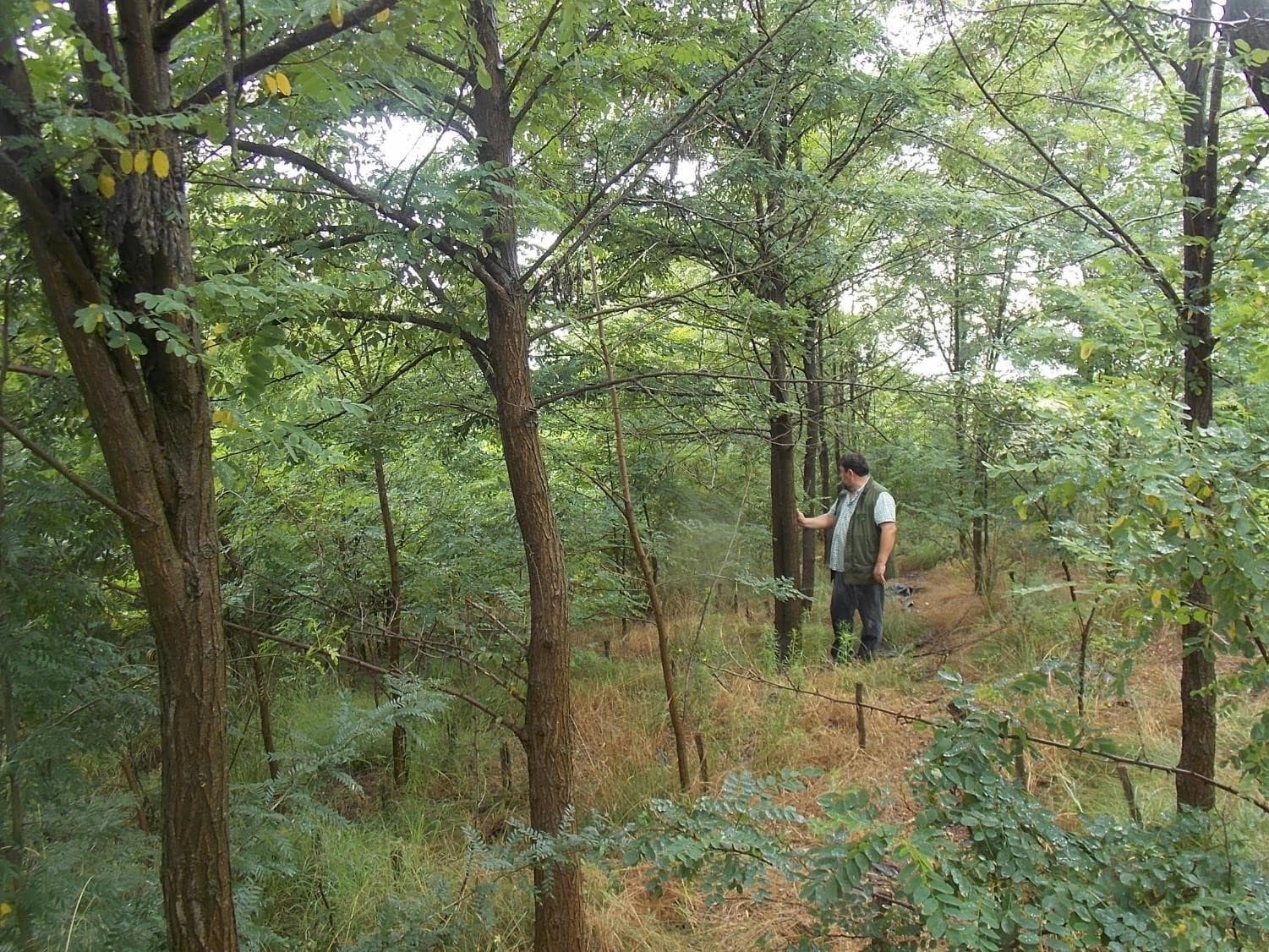
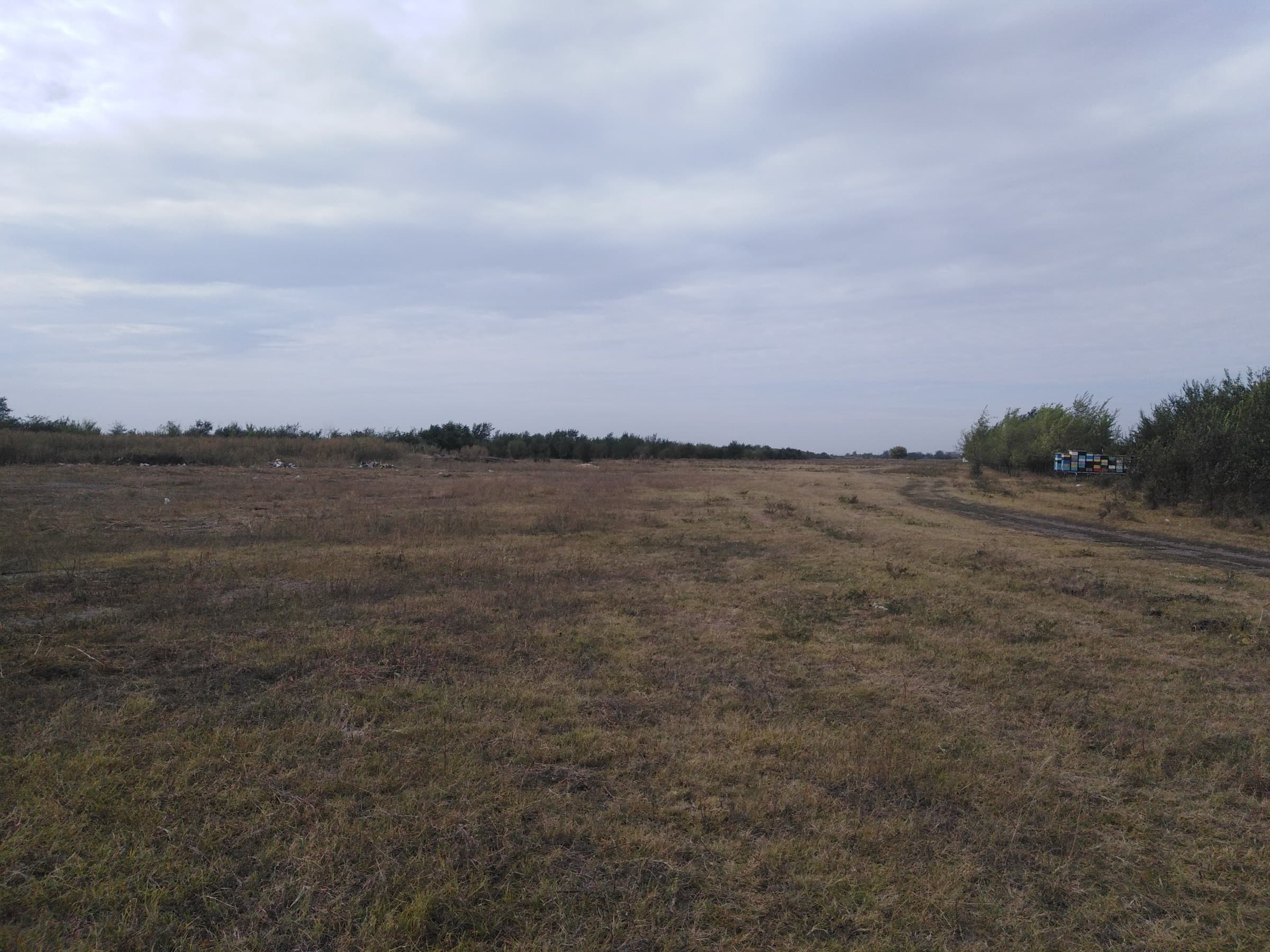
ARBORAPID™ has been used on sands, saline soils, municipal landfills, construction debris sites, technosols and other marginal land. Following each project’s terms of reference, it has established pioneer species such as white and black poplar (Populus alba, P. nigra), black locust (Robinia pseudoacacia), Siberian elm (Ulmus pumila) and wild pear (Pyrus pyraster).
It does not just add a few percent to survival rates. It makes full afforestation possible on land that could not be planted before, and it improves survival and growth on standard and good soils too.
Seven reasons to use ARBORAPID™
What the technology delivers across forestry, orchard and land restoration projects.
85–100% survival
High survival and strong growth in arid or degraded land where conventional planting fails completely.
First yield in year six
Seed-planted walnuts and ash trees reach yield maturity within six years instead of 15 to 20.
Wider choice of species
More tree and plant species can be established in difficult habitats, for more resilient and diverse restoration.
Faster canopy and habitat
Plantations become functional forest sooner. This matters for windbreaks, snow shelterbelts and wildlife habitats.
Shorter biomass cycles
Rotation and production cycles in intensive forestry plantations are significantly shorter, bringing return on investment forward.
No irrigation
No costly irrigation system. Plants rely entirely on natural rainfall and atmospheric moisture.
Soil protection
Reduces soil erosion and stops humus and nutrients from washing out, stabilising the land long term.
First yield years earlier
The technology speeds up the whole growth cycle, so trees reach maturity and their first commercial yield much earlier. Seed-planted walnuts, which normally take 15 to 20 years to bear fruit, produced their first yield in the sixth year. Ash trees did the same.
The only extra maintenance compared with a conventional orchard is more frequent pruning, because trees grow and branch faster. Foliar fertilisation and pest control are done as usual.
For best results, combine ARBORAPID™ with PlantGuard Drought Defender, a foliar hydro-absorber tailored to each tree species that works as “foliar irrigation” until it is washed off by rain.
Years to first walnut yield, conventional planting
Years to first walnut yield with ARBORAPID™
Reference sites
Projects in Serbia across degraded land, saline wetlands and sands.
- Plandište45.2173, 21.1076Afforestation of degraded and eroded land. Protection against wind erosion and desertification.
- Kanjiža46.0580, 20.0495Afforestation of saline wetland soils with white poplar.
- Veliko Gradište44.7616, 21.5132Afforestation of sandy terrain with black locust.
- Golubac44.6536, 21.6331Afforestation of white sands with black poplar.
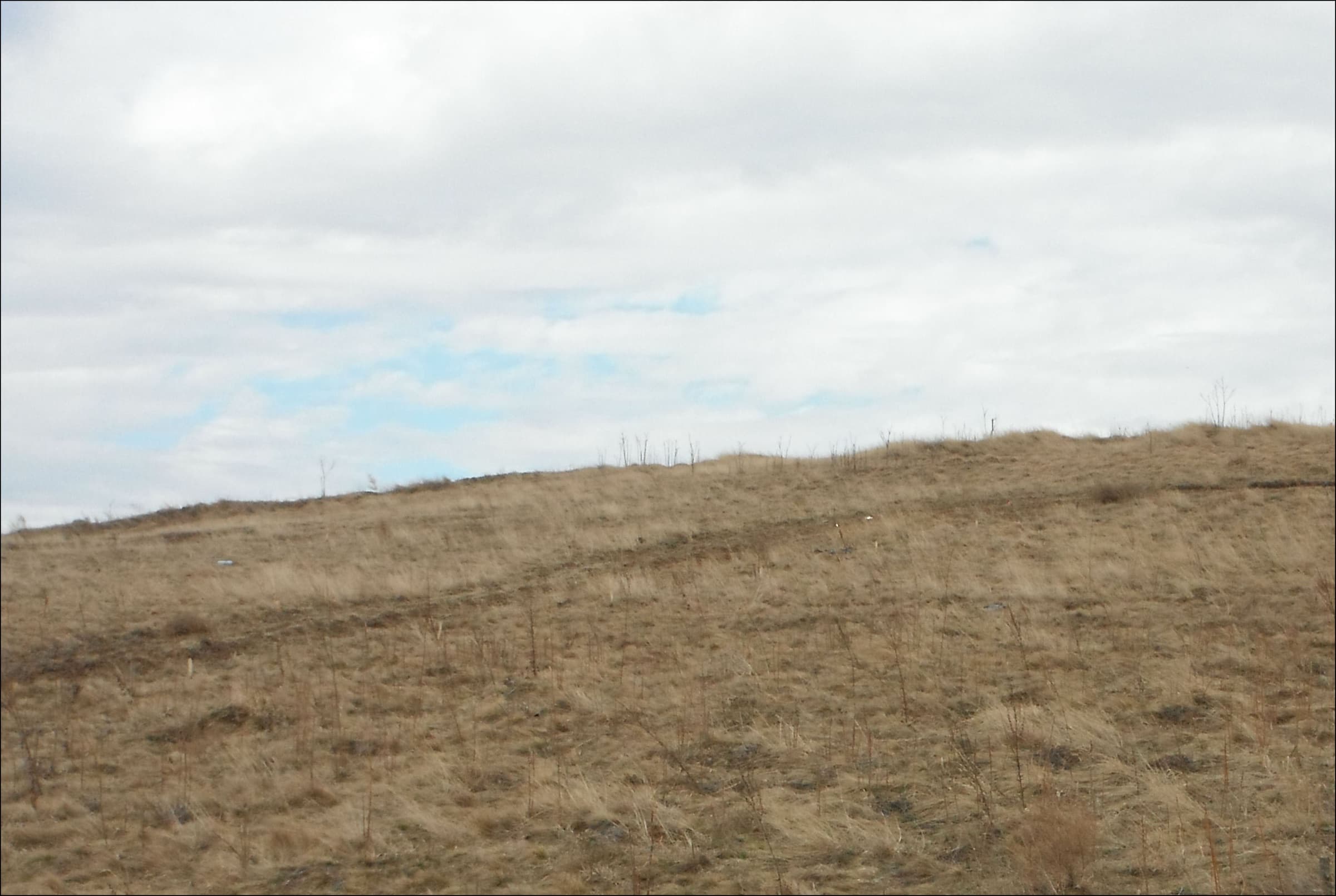
From the field
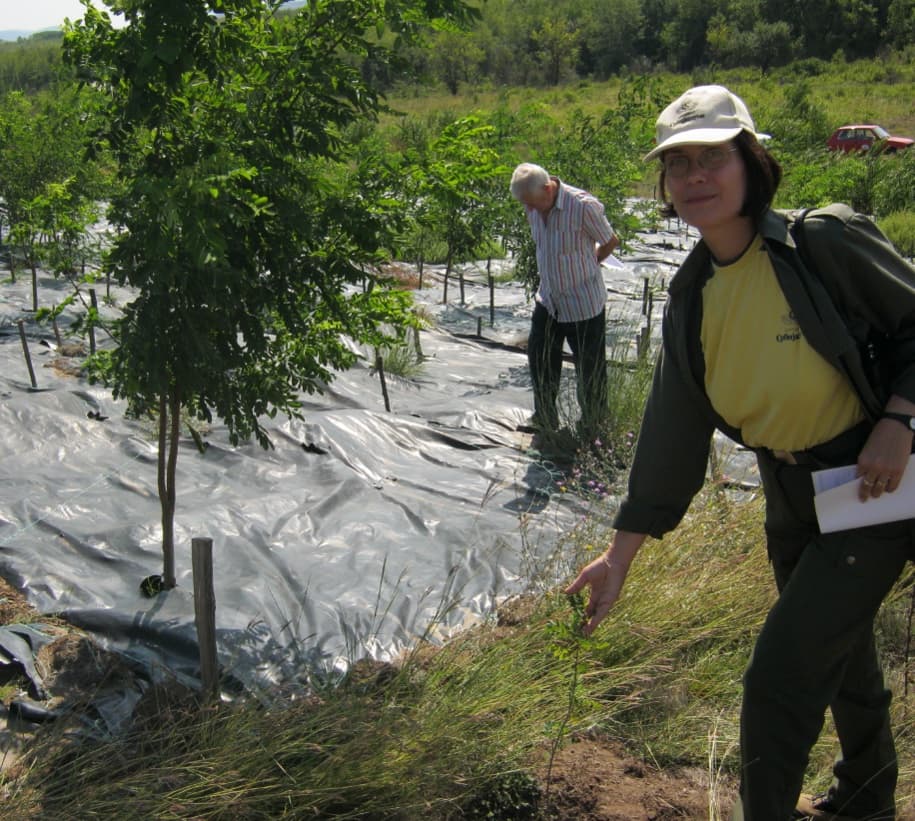
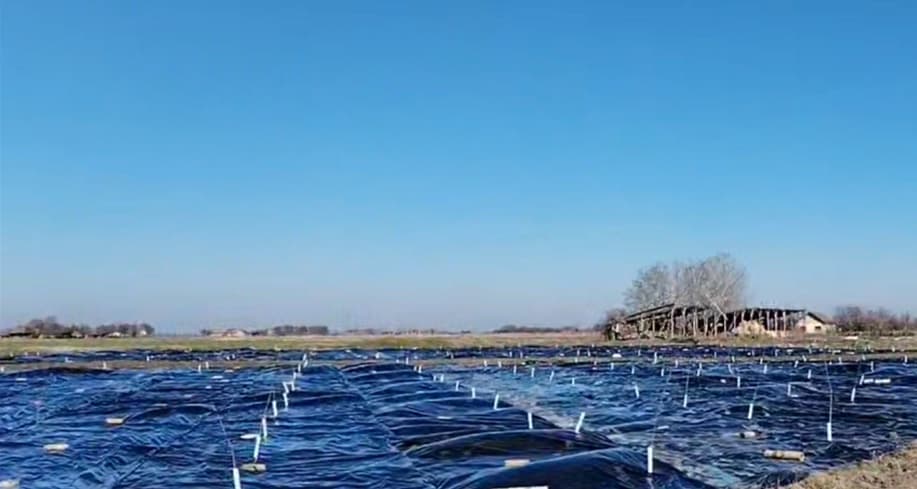
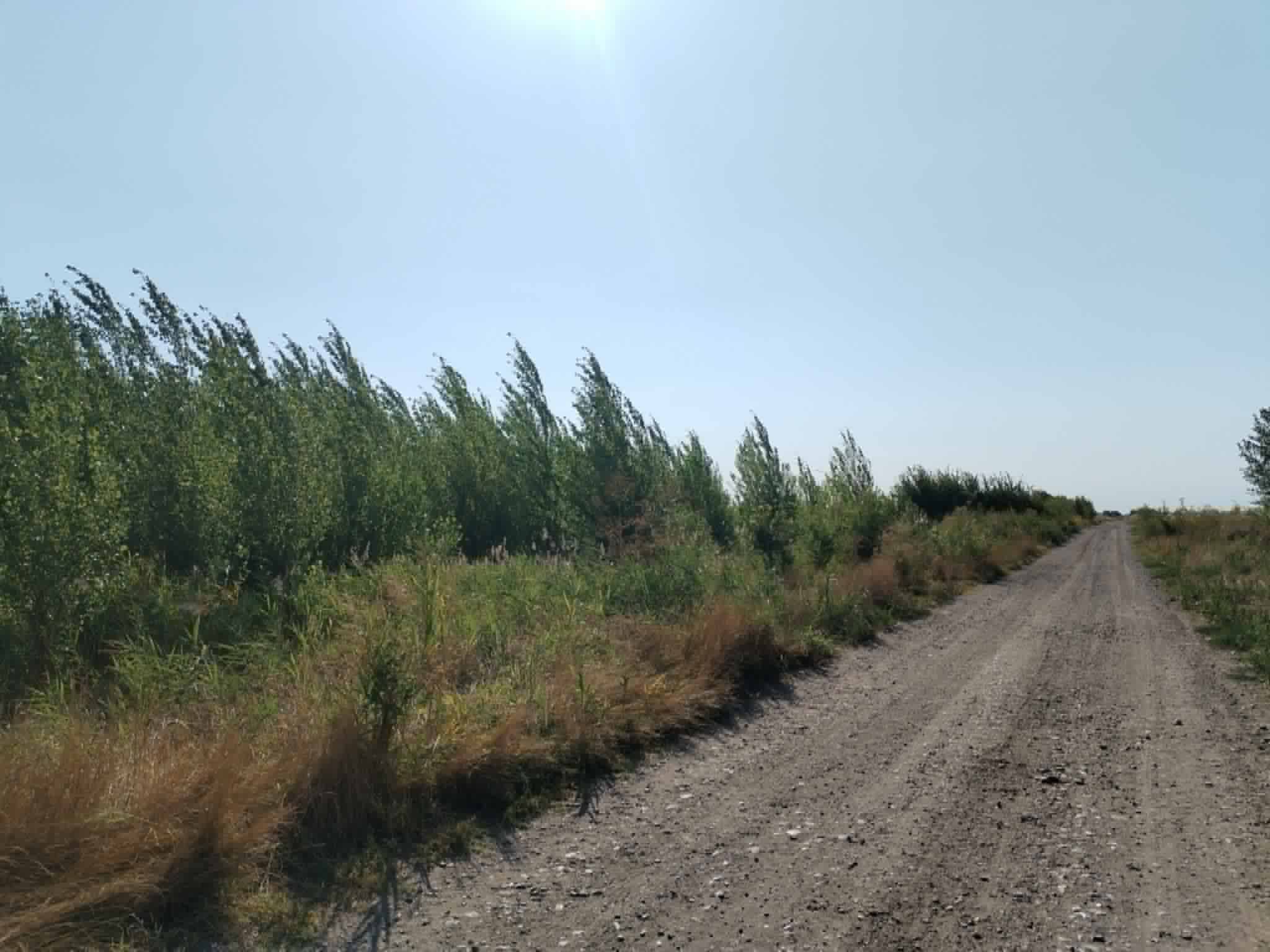
Delivered as a turnkey project
ARBORAPID™ is delivered as a complete project: engineering and design, field execution, supervision and the selection of planting material, independent of who sells it.
Seedling selection is critical and done with great care. Even plants from certified nurseries can carry hidden root diseases that only show under harsh field conditions.
Biomatrix oversees every stage. Only site preparation and planting pit excavation may be handed to approved local subcontractors, under our direct supervision.
Recognised by the UN
ARBORAPID™ (patent P 2013-0555) is certified by the United Nations Convention to Combat Desertification (UNCCD) as a Sustainable Land Management technology for desertification control.
Under UNCCD decisions 9/COP.15 and 9/COP.16, the Global Environment Facility (GEF) is encouraged to promote the WOCAT database in its programmes and projects. That makes ARBORAPID™ an institutionally recognised technology aligned with international funding for ecological restoration.
Plan an ARBORAPID™ project
Authorised representatives in Australia, Croatia, the Czech Republic, Serbia and Slovakia. For other territories, contact the head office.